



-
!["Silìneo" Vino Nobile di Montepulciano DOCG 2022]()
“Silìneo” Vino Nobile di Montepulciano DOCG 2022
Silìneo – a neologism born from the fusion of "sinuoso" (supple) and "lineo" (linear). The name epitomises what this wine is all about: elegance, suppleness, balance and harmony. It is the most classic wine from Fattoria del Cerro and has been the most successful for years. Silìneo is made from 90 per cent Sangiovese (locally called Prugnolo Gentile) and ten per cent Merlot and Colorino, from vineyards in Acquaviva di Montepulciano on soils of marine Pliocene origin with clay and silt between 250 and 400 metres above sea level. After manual harvesting, fermentation takes place with maceration at 24 to 28°C with daily overflow and délestage. The wine then matures for seven months in tonneaux, followed by eleven months in large Slavonian oak barrels.
- Grape varieties: 90% Prugnolo Gentile, 5% Colorino, 5% Merlot
- Maturation: 18 months 70/30 tonneau/oak barrel
- Vegan: yes
- Filtration: yes
- Alcohol content: 14,00 % vol
- Serving temperature: 18‑20 °C
- Storage potential: 2032+
- Closure: Diam
- Total extract: 29,92 g/l
- Total acidity: 5,73 g/l
- Residual sugar: 0,81 g/l
- Sulfite: 92 mg/l
- pH value: 3,44
- Allergens
contains sulphites
stored air-conditioned0,75 l · 18,53 €/l · Price (DE) incl. VAT, excl. Shippingavailable immediately
![Vino Nobile di Montepulciano DOCG 2023 (BIO)]()
Vino Nobile di Montepulciano DOCG 2023 (BIO)
Vino Nobile is Montepulciano's answer to Tuscany's big question: What can Sangiovese do if you give it time? At Gracciano, the answer has been the same since the 19th century – and it has not changed. The Tenuta della Seta Ferrari Corbelli Greco family is one of the oldest addresses in the appellation, its vineyards on the Rovisci, Maramai and Toraia crus lie at 300 to 350 metres in south to south-easterly exposure, on clay soils that allow the Prugnolo Gentile to ripen slowly and fully, which is exactly what it needs. 90 per cent Prugnolo Gentile, ten per cent Merlot – a classic Gracciano assemblage. Fermentation with indigenous yeasts, 20 to 25 days of maceration in steel, then 18 months of ageing: 40 per cent in French tonneaux of 3.5 and 5 hectolitres, 60 per cent in large oak barrels from France and Slavonia.
- Grape varieties: 90% Prugnolo Gentile, 10% Merlot
- Cultivation: biological
- Maturation: 18 months tonneau/oak barrel
- Vegan: yes
- Filtration: yes
- Alcohol content: 13,50 % vol
- Serving temperature: 16‑18 °C
- Storage potential: 2032+
- Closure: natural cork
- Food recommendations
florentine t‑bone steak with rosemary potatoes ‑ roast pigeon with lentils and sage - Total extract: 29,72 g/l
- Total acidity: 5,82 g/l
- Residual sugar: 0,76 g/l
- Sulfite: 75 mg/l
- pH value: 3,37
- Eco-Control-No.: IT‑BIO‑004
- Allergens
contains sulphites
stored air-conditioned0,75 l · 19,87 €/l · Price (DE) incl. VAT, excl. Shippingavailable immediately
![Nobile di Montepulciano DOCG 2022]()
Nobile di Montepulciano DOCG 2022
The Counts Bracci left their name and coat of arms to this estate: an armoured arm raising a sword. La Braccesca – the word alludes to braccia, the arm. When the Marchesi Antinori took over the estate in 1990, they brought it into the present without alienating it from its history. The first Vino Nobile from this estate was released in the same year – since then, La Braccesca has been one of the reliable addresses in the appellation. The Nobile di Montepulciano is made from Prugnolo Gentile – the local Sangiovese clone of Montepulciano – complemented by a small proportion of Merlot, which rounds off the wine without dominating it.
- Grape varieties: 90% Prugnolo Gentile, 10% Merlot
- Maturation: 12 months wooden barrel
- Filtration: yes
- Alcohol content: 14,00 % vol
- Serving temperature: 18‑20 °C
- Storage potential: 2033+
- Closure: natural corks
- Food recommendations
bistecca di chianina, pappardelle al ragù di lepre - Total extract: 29,93 g/l
- Total acidity: 5,89 g/l
- Residual sugar: 1,50 g/l
- Sulfite: 82 mg/l
- pH value: 3,43
- Allergens
contains sulphites
![Nobile di Montepulciano DOCG 2023 (BIO)]()
Nobile di Montepulciano DOCG 2023 (BIO)
This red classic from Montepulciano already bears its claim in its name: nobile. No other wine in Italy has this adjective written into its specifications – and hardly any other producer has honoured it as consistently in recent decades as Federico Carletti and his Poliziano winery. Founded in 1961 by father Dino, today under Federico's leadership and long since anchored in the next generation – with Francesco and Maria Stella, who have been helping to shape the future since 2019 and 2021. Poliziano has been certified organic since the 2021 harvest – not a marketing decision, but the logical conclusion of decades of work without chemical weedkillers and insecticides. Prugnolo Gentile, the local variety of Sangiovese, grows on clay and limestone soils between 300 and 450 metres above sea level. Hand-picked, careful selection in the vineyard and in the cellar, fermentation with indigenous yeasts in conical concrete vats – minimum intervention, maximum expression. Maturation in large barrels and tonneaux: the wood frames, it does not dominate.
- Grape varieties: 90% Sangiovese, 10% Colorino, Canaiolo and Merlot
- Cultivation: biological
- Maturation: 14‑16 months large wooden barrel/barrique
- Vegan: yes
- Filtration: yes
- Alcohol content: 14,00 % vol
- Serving temperature: 16‑18 °C
- Storage potential: 2033+
- Closure: natural cork
- Total extract: 29,84 g/l
- Total acidity: 5,89 g/l
- Residual sugar: 0,89 g/l
- Sulfite: 74 mg/l
- pH value: 3,33
- Eco-Control-No.: IT‑BIO‑004
- Allergens
contains sulphites
stored air-conditioned0,75 l · 28,00 €/l · Price (DE) incl. VAT, excl. Shippingavailable immediately
![Vino Nobile di Montepulciano Riserva DOCG 2021 (BIO)]()
Vino Nobile di Montepulciano Riserva DOCG 2021 (BIO)
Riserva does not simply mean more time in Gracciano. It means different soil. The Maramai and Podere Rovisci crus provide the grape material for this wine – and Rovisci is the core of the whole: heavy clay content, brooding, water-retaining, with a ripening dynamic that elicits the densest, most concentrated side of the Prugnolo Gentile. Vines, some of which have been planted since 1970. 300 to 350 metres, south to south-east exposure, 30 hectolitres per hectare – consistently limited yields. Only in the best vintages does the della Seta Ferrari Corbelli Greco family decide to bottle a Riserva. 2021 was such a year. Prugnolo Gentile 90%, Merlot 10%. Fermentation with indigenous yeasts, 20 to 25 days of maceration in steel. Then aged for 24 months: the first twelve in French tonneaux of 3.5 and 5 hectolitres, the second twelve in large Slavonian oak barrels. Subsequent maturation in the bottle for at least six months.
- Grape varieties: 90% Sangiovese, 10% Merlot
- Cultivation: biological
- Maturation: 24 months tonneau/oak barrel
- Vegan: yes
- Filtration: yes
- Alcohol content: 14,50 % vol
- Serving temperature: 16‑18 °C
- Storage potential: 2034+
- Closure: natural cork
- Food recommendations
wild boar stew with polenta ‑ tagliata of chianina beef with rocket and parmesan - Total extract: 29,97 g/l
- Total acidity: 5,87 g/l
- Residual sugar: 1,12 g/l
- Sulfite: 76 mg/l
- pH value: 3,37
- Eco-Control-No.: IT‑BIO‑004
- Allergens
contains sulphites
stored air-conditioned0,75 l · 28,00 €/l · Price (DE) incl. VAT, excl. Shippingavailable immediately
![Vino Nobile di Montepulciano Riserva DOCG 2019]()
Vino Nobile di Montepulciano Riserva DOCG 2019
Tasting the Riserva from Fattoria del Cerro takes you stylistically to those higher vineyard sites where fossil-rich soils full of pebbles and ancient shell remains lend the Prugnolo Gentile a special mineral depth. The crowning glory of the Montepulciano hierarchy is created from these favoured plots – a wine that requires time and patience to reveal its multi-layered nature. After careful selection, the wine undergoes 18 months of refinement, combining tradition and innovation: Eight months in French barriques and tonneaux, followed by a further twelve to sixteen months in large wooden barrels. This combination creates a character of remarkable elegance and the wood integrates seamlessly without overshadowing the varietal fruit. A final twelve months of maturation in the bottle completes the harmonious development.
- Grape variety: 100% Prugnolo Gentile
- Maturation: 18 months barrique/tonneaux
- Vegan: yes
- Filtration: yes
- Alcohol content: 14,50 % vol
- Serving temperature: 18‑20 °C
- Storage potential: 2033+
- Closure: natural cork
- Total extract: 30,87 g/l
- Total acidity: 5,42 g/l
- Residual sugar: 0,78 g/l
- Sulfite: 92 mg/l
- pH value: 3,55
- Allergens
contains sulphites
stored air-conditioned0,75 l · 28,00 €/l · Price (DE) incl. VAT, excl. Shippingavailable immediately
![Nobile di Montepulciano DOCG 2023]()
Nobile di Montepulciano DOCG 2023
The Counts of Bracci have bequeathed their name and coat of arms to this estate: an arm in armour raising a sword. La Braccesca – the word alludes to "braccia", meaning "arm". When the Marchesi Antinori took over the estate in 1990, they brought it into the modern era without alienating it from its history. The first Vino Nobile from this estate was released in the same year – since then, La Braccesca has been one of the appellation’s most reliable producers. The Nobile di Montepulciano is made from Prugnolo Gentile – Montepulciano's local Sangiovese clone – complemented by a small proportion of Merlot, which rounds out the wine without dominating it. The grapes come from the estate's three historic sub-zones: Cervognano, Santa Pia and Gracciano, all of which are recognised as top DOCG vineyards on the hills surrounding Montepulciano.
- Grape varieties: 90% Prugnolo Gentile, 10% Merlot
- Maturation: 12 months wooden barrel
- Filtration: yes
- Alcohol content: 14,50 % vol
- Serving temperature: 18‑20 °C
- Storage potential: 2034+
- Closure: natural corks
- Food recommendations
bistecca di chianina, pappardelle al ragù di lepre - Total extract: 30,05 g/l
- Total acidity: 5,92 g/l
- Residual sugar: 1,48 g/l
- Sulfite: 79 mg/l
- pH value: 3,44
- Allergens
contains sulphites
stored air-conditioned0,75 l · 28,00 €/l · Price (DE) incl. VAT, excl. Shippingavailable immediately
![Nobile di Montepulciano DOCG 2022 (BIO)]()
Nobile di Montepulciano DOCG 2022 (BIO)
In 2009, the Belgian entrepreneur Virginie Saverys took over Tenuta Avignonesi – and transformed it into one of Tuscany’s most ambitious biodynamic estates. Biodyvin-certified, organic, vegan, B Corp: at Avignonesi, wine is understood as an expression of living soils – and Montepulciano as a place that reflects this with exceptional clarity. The Vino Nobile comes from vineyards on sedimentary soils of marine origin – calcareous, with varying proportions of clay and sand from the Pleistocene and Pliocene periods, planted between 1995 and 2017 at altitudes of 270 to 375 metres. Fermentation takes place using yeasts from the estate’s own ‘pied de cuve’: the first batch of grapes is harvested in advance to select the naturally occurring yeasts on the skins. A process that deepens the connection between the wine and the vineyard and anchors the sense of place. 20 to 25 days’ maceration, followed by 18 months in large casks and tonneaux.
- Grape variety: 100% Sangiovese
- Cultivation: biological
- Maturation: 18 months in tonneaux/oak casks
- Vegan: yes
- Filtration: yes
- Alcohol content: 14,00 % vol
- Serving temperature: 18‑20 °C
- Storage potential: 2035+
- Closure: natural cork
- Food recommendations
pici with wild boar ragù, bistecca alla fiorentina, tuscan scottiglia, roast pigeon - Total extract: 29,91 g/l
- Total acidity: 5,64 g/l
- Residual sugar: 1,04 g/l
- Sulfite: 73 mg/l
- pH value: 3,38
- Eco-Control-No.: IT‑BIO‑004
- Allergens
contains sulphites - Nutritional Information per 100 ml
- Energy in kcal: 86 kcal
- Energy in kJ: 358 kJ
- Carbohydrates: 1,20 g
stored air-conditioned0,75 l · 28,00 €/l · Price (DE) incl. VAT, excl. Shippingavailable immediately
![Vino Nobile di Montepulciano DOCG 2023]()
Vino Nobile di Montepulciano DOCG 2023
In 1962, Egidio Corradi bought two neglected poderi in Cervognano – a Genovese broker who had spent most of his life away from Tuscany, but had always known where he wanted to return. Boscarelli's first bottle of Vino Nobile di Montepulciano appeared in 1968. Since then, this main line has hardly changed in terms of composition and ageing. This is not hesitation – it is conviction. Prugnolo Gentile and Canaiolo, from vines over 10 years old on the red, sandy, mineral-rich soils of Cervognano, 280 to 350 metres, east-facing, 6,500 vines per hectare.
- Grape varieties: 90% Prugnolo Gentile, 10% Canaiolo
- Maturation: 18 to 24 months tonneau
- Filtration: yes
- Alcohol content: 13,50 % vol
- Serving temperature: 16‑18 °C
- Storage potential: 2034+
- Closure: natural cork
- Food recommendations
pici al ragù, bistecca alla fiorentina, fagiano in salsa - Total extract: 29,90 g/l
- Total acidity: 5,83 g/l
- Residual sugar: 1,19 g/l
- Sulfite: 84 mg/l
- pH value: 3,36
- Allergens
contains sulphites
stored air-conditioned0,75 l · 30,67 €/l · Price (DE) incl. VAT, excl. Shippingavailable immediately
![Vino Nobile di Montepulciano Riserva DOCG 2021]()
Vino Nobile di Montepulciano Riserva DOCG 2021
1992 was the last vintage of Boscarelli's first Riserva era. This was followed by a break of almost two decades – this was not a period of inactivity, but a lot of work and research: replanting the historic vineyards, selecting clones, researching the climatic variations of the Cervognano terroir. It was not until 2010, when the young vines of the autochthonous new plantings first showed the complexity that had been awaited, that the Riserva returned. Just like in the 1970s and 80s: exclusively from indigenous grape varieties. Prugnolo Gentile and Colorino. Vines over 20 years old from the historic core of the Boscarelli vineyards in Cervognano – calcareous, alluvial sandy soils with silt, clay, minerals and a rich stone skeleton that varies depending on the location and altitude. 6,500 vines per hectare.
- Grape varieties: 90% Prugnolo Gentile, 10% Colorino
- Maturation: approx. 30 months tonneaux
- Filtration: no
- Alcohol content: 14,00 % vol
- Serving temperature: 18‑20 °C
- Storage potential: 2037+
- Closure: natural cork
- Food recommendations
bistecca alla fiorentina, cinghiale in salsa, selvaggina, tartufo nero su pappardelle - Total extract: 29,81 g/l
- Total acidity: 5,65 g/l
- Residual sugar: 1,28 g/l
- Sulfite: 76 mg/l
- pH value: 3,42
- Allergens
contains sulphites
stored air-conditioned0,75 l · 44,00 €/l · Price (DE) incl. VAT, excl. Shippingavailable immediately
!["Sotto Casa" Vino Nobile di Montepulciano Riserva DOCG 2021]()
“Sotto Casa” Vino Nobile di Montepulciano Riserva DOCG 2021
Sotto Casa – in the truest sense of the word: the single vineyard of the same name lies directly next to the winery, on stony alluvial soil – the most intimate vineyard on the entire estate and the only one from which Boscarelli combines international grape varieties with Prugnolo Gentile. Cabernet Sauvignon provides structure and a tannic frame, a small proportion of Merlot gives fullness and softness – sangiovese remains the soul. The three varieties are harvested separately, fermented separately – in oak vats with natural yeasts for around 10 days at controlled temperatures. Each cuvée then matures separately in Slavonia and Allier oak between 3 and 30 hectolitres, depending on the varietal character. Blending only takes place at the end of the 28 to 32 months of maturation.
- Grape varieties: 80% Sangiovese, 15% Cabernet Sauvignon, 5% Merlot
- Maturation: 28‑32 months tonneau
- Filtration: no
- Alcohol content: 14,00 % vol
- Serving temperature: 18‑20 °C
- Storage potential: 2038+
- Closure: natural cork
- Food recommendations
braised wild boar, selvaggina, tagliata di manzo - Total extract: 30,25 g/l
- Total acidity: 5,55 g/l
- Residual sugar: 1,15 g/l
- Sulfite: 75 mg/l
- pH value: 3,39
- Allergens
contains sulphites
stored air-conditioned0,75 l · 50,67 €/l · Price (DE) incl. VAT, excl. Shippingavailable immediately
!["Salco" Nobile di Montepulciano DOCG 2018 (BIO)]()
“Salco” Nobile di Montepulciano DOCG 2018 (BIO)
On the nose, ripe plum, baking spice, menthol and new leather. On the elegantly structured, delicious palate, notes of ground pepper and liquorice accentuate a core of juicy black cherry and crushed raspberry, supported by a backbone of taut, refined tannins. The fresh acidity keeps it beautifully balanced. Racy and seductive. SUPERIORE.DE
- Grape variety: 100% Prugnolo Gentile
- Cultivation: biological
- Maturation: 24 months 30/70 barrique/tonneau
- Filtration: yes
- Alcohol content: 13,50 % vol
- Serving temperature: 18‑20 °C
- Storage potential: 2036+
- Closure: natural cork
- Total extract: 29,25 g/l
- Total acidity: 6,15 g/l
- Residual sugar: 1,22 g/l
- Sulfite: 79 mg/l
- pH value: 3,48
- Eco-Control-No.: IT‑BIO‑006
- Allergens
contains sulphites
stored air-conditioned0,75 l · 54,67 €/l · Price (DE) incl. VAT, excl. Shippingavailable immediately
!["Pieve Gracciano" Vino Nobile di Montepulciano DOCG 2021 (BIO)]()
“Pieve Gracciano” Vino Nobile di Montepulciano DOCG 2021 (BIO)
Montepulciano is one of the oldest DOCGs in Italy – since 1966, on a par with Brunello di Montalcino. The fact that the Denominazione is now, after decades, introducing a new top category is not a marketing decision, but the result of long historical research. Twelve Pievi – the rural parishes that have divided the territory since late antiquity – were defined as Unità Geografiche Aggiuntive. Gracciano is one of them. This is no coincidence: the hills south-west of Montepulciano are among the oldest and best-known vineyards in the appellation, and their wine history can be traced back to the early 19th century.
- Grape variety: 100% Sangiovese
- Cultivation: biological
- Maturation: 12/12 months tonneau/oak barrel
- Vegan: yes
- Filtration: yes
- Alcohol content: 15,00 % vol
- Serving temperature: 16‑18 °C
- Storage potential: 2038+
- Closure: natural cork
- Food recommendations
roast pigeon with chicken liver and sage ‑ chianina steak with white beans - Total extract: 30,06 g/l
- Total acidity: 5,98 g/l
- Residual sugar: 1,01 g/l
- Sulfite: 75 mg/l
- pH value: 3,34
- Eco-Control-No.: IT‑BIO‑004
- Allergens
contains sulphites
stored air-conditioned0,75 l · 57,33 €/l · Price (DE) incl. VAT, excl. Shippingavailable immediately
![Nobile di Montepulciano DOCG 2020 (BIO) <br>MAGNUM]()
Nobile di Montepulciano DOCG 2020 (BIO) · MAGNUM
Salcheto's sparkling garnet-red Vino Nobile delights us with its fragrant aroma of dried plum and a hint of cinnamon and clove. Lots of present fruit on the palate, with a fine, sweet melting flavour and a long finish. An authentic and pleasantly elegant organic wine from the heart of the Montepulciano region that is ready to drink when young. SUPERIORE.DE
- Grape variety: 100% Sangiovese
- Cultivation: biological
- Maturation: 18 months wooden barrel
- Filtration: yes
- Alcohol content: 13,50 % vol
- Serving temperature: 18‑20 °C
- Storage potential: 2033+
- Closure: natural cork
- Food recommendations
pasta with rabbit ragout - Total extract: 29,65 g/l
- Total acidity: 5,35 g/l
- Residual sugar: 1,15 g/l
- Sulfite: 72 mg/l
- pH value: 3,49
- Eco-Control-No.: IT‑BIO‑006
- Allergens
contains sulphites
!["Asinone" Nobile di Montepulciano DOCG 2022 (BIO)]()
“Asinone” Nobile di Montepulciano DOCG 2022 (BIO)
Asinone, which has been bottled separately by the estate since 1983 and is one of the very first recognised single-vineyard wines in Tuscany, is situated on the south-south-west-facing slope between Montepulciano and Torrita di Siena. At an altitude of 380 to 400 metres, the soil consists of blue clay of marine origin, interspersed with pebbles and rich in magnesium and iron: a soil that forces the roots to dig deep and compels the Prugnolo Gentile grapes to concentrate their flavours. The vines are between 30 and 50 years old. Small berries, thick skins – plenty of structure in a small space. And Federico Carletti has consistently steered Asinone away from the barrique aesthetic: it matures for 16 to 18 months in French tonneaux, with the wood providing support rather than dominating.
- Grape variety: 100% Sangiovese
- Cultivation: biological
- Maturation: 24 months in oak barrels
- Vegan: yes
- Filtration: yes
- Alcohol content: 15,00 % vol
- Serving temperature: 18‑20 °C
- Storage potential: 2043+
- Closure: natural cork
- Total extract: 29,87 g/l
- Total acidity: 5,90 g/l
- Residual sugar: 1,10 g/l
- Sulfite: 74 mg/l
- pH value: 3,47
- Eco-Control-No.: IT‑BIO‑004
- Allergens
contains sulphites
stored air-conditioned0,75 l · 62,67 €/l · Price (DE) incl. VAT, excl. Shippingavailable immediately
!["Costa Grande" Vino Nobile di Montepulciano DOCG 2020]()
“Costa Grande” Vino Nobile di Montepulciano DOCG 2020
A little bit of everything, but never too much of a good thing. One of the most complex Nobiles we have ever tasted. Delicate red fruit with a pinch of sweetness and floral aromas, underpinned by a little tobacco and raspberry. Clear cherry flavour on the palate, plus a wonderful spiciness with that subtle sweetness in the background again. A finesse-rich and harmonious final whets the appetite for the next glass. Very successful and full of precision! SUPERIORE.DE
- Grape variety: 100% Sangiovese
- Maturation: 12 months tonneau, 6 months cement tank
- Filtration: no
- Alcohol content: 14,50 % vol
- Serving temperature: 18‑20 °C
- Storage potential: 2035+
- Closure: natural cork
- Total extract: 29,98 g/l
- Total acidity: 6,02 g/l
- Residual sugar: 1,22 g/l
- Sulfite: 81 mg/l
- pH value: 3,50
- Allergens
contains sulphites
!["Poggetto di Sopra" Vino Nobile di Montepulciano DOCG 2019 (BIO)]()
“Poggetto di Sopra” Vino Nobile di Montepulciano DOCG 2019 (BIO)
A few years ago, six leading DOCG wineries joined forces to form the "nobile alliance": Salcheto, Poliziano, La Braccesca, Dei, Boscarelli and Avignonesi. They pursue the ambitious goal of bringing Montepulciano's terroir to perfection in the bottle. Leading this project are Ashleigh Seymour and Matteo Giustiniani, the winemakers of Avignonesi. They not only monitor the quality of the Sangiovese grapes, which all grow in the Poggetto di Sopra vineyard, but are also responsible for the vinification in the cellar.
- Grape variety: 100% Sangiovese
- Cultivation: biological
- Maturation: 24 months tonneau
- Vegan: yes
- Filtration: yes
- Alcohol content: 13,00 % vol
- Serving temperature: 18‑20 °C
- Storage potential: 2035+
- Closure: natural cork
- Total extract: 30,65 g/l
- Total acidity: 5,65 g/l
- Residual sugar: 1,18 g/l
- Sulfite: 82 mg/l
- pH value: 3,47
- Eco-Control-No.: IT‑BIO‑004
- Allergens
contains sulphites
stored air-conditioned0,75 l · 71,99 €/l · Price (DE) incl. VAT, excl. Shippingavailable immediately
!["Vecchie Viti del Salco" Nobile di Montepulciano DOCG 2019 (BIO)]()
“Vecchie Viti del Salco” Nobile di Montepulciano DOCG 2019 (BIO)
Just 3,500 bottles from the oldest vines of the Salco vineyard are only sold in the best vintages. In the glass, we are delighted by an extremely elegant Sangiovese with a very harmonious texture and very classic, earthy and spicy notes. SUPERIORE.DE
- Grape variety: 100% Prugnolo Gentile
- Cultivation: biological
- Maturation: 24 months 50/50 barrique/tonneau
- Filtration: yes
- Alcohol content: 14,00 % vol
- Serving temperature: 18‑20 °C
- Storage potential: 2037+
- Closure: natural cork
- Total extract: 28,54 g/l
- Total acidity: 5,03 g/l
- Residual sugar: 1,55 g/l
- Sulfite: 54 mg/l
- pH value: 3,62
- Eco-Control-No.: IT‑BIO‑006
- Allergens
contains sulphites
!["Poggetto di Sopra" Vino Nobile di Montepulciano DOCG 2022 (BIO)]()
“Poggetto di Sopra” Vino Nobile di Montepulciano DOCG 2022 (BIO)
When Virginie Saverys and Max De Zarobe realised that Montepulciano could only regain its historic reputation by working together, they founded Alleanza Vinum. Six prestigious estates – Salcheto, Poliziano, La Braccesca, Dei, Boscarelli and Avignonesi – joined forces in 2017 with a shared mission: Each would create its own 100% Sangiovese cru every year, embodying the rediscovery of Vino Nobile. Avignonesi's contribution comes from the legendary Caprile vineyard, planted in 1978 at an altitude of 300 metres. The soil tells a story spanning millions of years: marine sediments from the Pliocene, interlaced with deep veins of blue sodium clay, rich in silt and limestone – a terroir that lends the Sangiovese exceptional depth. After 28 days of controlled maceration with natural yeasts selected from the 'pied-de-cuve', the wine matures for 24 months in large oak casks.
- Grape variety: 100% Sangiovese
- Cultivation: biological
- Maturation: 24 months in tonneaux/oak barrels
- Vegan: yes
- Filtration: yes
- Alcohol content: 14,00 % vol
- Serving temperature: 18‑20 °C
- Storage potential: 2038+
- Closure: natural cork
- Total extract: 30,01 g/l
- Total acidity: 5,89 g/l
- Residual sugar: 1,18 g/l
- Sulfite: 77 mg/l
- pH value: 3,34
- Eco-Control-No.: IT‑BIO‑004
- Allergens
contains sulphites - Nutritional Information per 100 ml
- Energy in kcal: 84 kcal
- Energy in kJ: 351 kJ
- Carbohydrates: 2,40 g
stored air-conditioned0,75 l · 78,67 €/l · Price (DE) incl. VAT, excl. Shippingavailable immediately
!["Costa Grande Pieve Cervognano" Vino Nobile di Montepulciano DOCG 2021]()
“Costa Grande Pieve Cervognano” Vino Nobile di Montepulciano DOCG 2021
Pieve refers to the old ecclesiastical administrative units of medieval Tuscany, the hubs around which rural life was organised long before modern appellations existed. The Consorzio del Vino Nobile di Montepulciano has taken these historical toponyms as the basis for twelve Unità Geografiche Aggiuntive – the UGA system, which officially came into force in February 2025. The 2021 vintage is the first to be allowed to bear this designation. Boscarelli has been based in Cervognano since 1962 – one of the twelve Pievi, named after the Romanesque Pieve di Sant'Albino, which has defined the area for centuries.
- Grape variety: 100% Sangiovese
- Maturation: 18‑22 months tonneau
- Filtration: no
- Alcohol content: 14,00 % vol
- Serving temperature: 18‑20 °C
- Storage potential: 2039+
- Closure: natural cork
- Food recommendations
bistecca alla fiorentina, piccione arrosto, matured pecorino toscano, tartufo nero - Total extract: 29,89 g/l
- Total acidity: 5,97 g/l
- Residual sugar: 1,06 g/l
- Sulfite: 77 mg/l
- pH value: 3,39
- Allergens
contains sulphites - Nutritional Information per 100 ml
- Energy in kcal: 77 kcal
- Energy in kJ: 320 kJ
- Carbohydrates: 2,70 g
stored air-conditioned0,75 l · 78,67 €/l · Price (DE) incl. VAT, excl. Shippingavailable immediately
![Vino Nobile di Montepulciano Riserva DOCG 2019 (BIO)<br>MAGNUM in OWC]()
Vino Nobile di Montepulciano Riserva DOCG 2019 (BIO) · MAGNUM in OWC
Intense ruby red Vino Nobile Riserva with a spicy bouquet of aromas of dried fruit, cinnamon, cloves and liquorice. Smooth on the palate with a variety of nuances, beautiful fullness, structure and intensity, supple tannins. Very elegant pleasure at an excellent price. SUPERIORE.DE
- Grape variety: 100% Sangiovese
- Cultivation: biological
- Maturation: 24 to 30 months tonneau
- Vegan: yes
- Filtration: yes
- Alcohol content: 14,00 % vol
- Serving temperature: 16‑18 °C
- Storage potential: 2033+
- Closure: natural cork
- Total extract: 29,30 g/l
- Total acidity: 5,40 g/l
- Residual sugar: 1,16 g/l
- Sulfite: 81 mg/l
- pH value: 3,47
- Eco-Control-No.: IT‑BIO‑004
- Allergens
contains sulphites
![Vino Nobile di Montepulciano Riserva DOCG 2020 (BIO) <br>MAGNUM in OWC]()
Vino Nobile di Montepulciano Riserva DOCG 2020 (BIO) · MAGNUM in OWC
Intense ruby red Vino Nobile Riserva with a spicy bouquet of aromas of dried fruit, cinnamon, cloves and liquorice. Smooth on the palate with a variety of nuances, beautiful fullness, structure and intensity, supple tannins. Very elegant pleasure at an excellent price. SUPERIORE.DE
- Grape varieties: 90% Sangiovese, 10% Merlot
- Cultivation: biological
- Maturation: 24 to 30 months tonneau
- Vegan: yes
- Filtration: yes
- Alcohol content: 13,50 % vol
- Serving temperature: 16‑18 °C
- Storage potential: 2034+
- Closure: natural cork
- Total extract: 29,51 g/l
- Total acidity: 5,55 g/l
- Residual sugar: 1,06 g/l
- Sulfite: 79 mg/l
- pH value: 3,41
- Eco-Control-No.: IT‑BIO‑004
- Allergens
contains sulphites
![Vino Nobile di Montepulciano Riserva DOCG 2020 <br>MAGNUM]()
Vino Nobile di Montepulciano Riserva DOCG 2020 · MAGNUM
The De Ferrari brothers select their Riserva from the oldest vines on the estate's best plots. Ruby red in colour with a garnet hue. The wine opens discreetly with subtle but captivating hints of sage, leather and allspice. On the palate, it is supple and agile and feels confidently extracted, with firm, straightforward tannins, but not overdone. The wood supports rather than imposes on the wine, and the vibrant acidity of the vintage comes through nicely. Long, seductive and delicately spicy on the final. SUPERIORE.DE
- Grape varieties: 90% Prugnolo Gentile, 10% Colorino
- Maturation: 30 months tonneaux
- Filtration: no
- Alcohol content: 14,00 % vol
- Serving temperature: 18‑20 °C
- Storage potential: 2035+
- Closure: natural cork
- Total extract: 29,65 g/l
- Total acidity: 5,55 g/l
- Residual sugar: 1,36 g/l
- Sulfite: 78 mg/l
- pH value: 3,45
- Allergens
contains sulphites


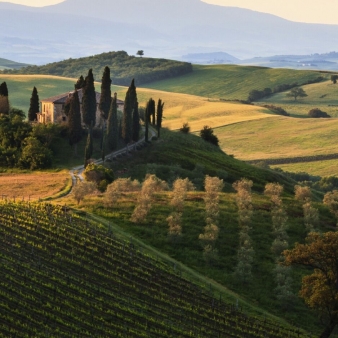
Vino Nobile – Sangiovese with a sense of place
Montepulciano creates confusion before the first bottle is even opened. In Vino Nobile di Montepulciano, Montepulciano is not the grape variety but the town and municipality in south-eastern Tuscany. The grape is Sangiovese, traditionally known here as Prugnolo Gentile. It therefore has far less in common with Montepulciano d'Abruzzo, where Montepulciano really is the name of the grape, than the names might suggest.
The more interesting question is another one: how can a single municipality produce such a broad range of wines? Vino Nobile can be taut and driven by red fruit, warm and expansive, finely spiced, powerful or remarkably elegant. It may be made entirely from Sangiovese or as a blend, mature in large casks or smaller wooden vessels – and today it can define its origin even more precisely through the "Pieve" designation.
That is precisely where the appeal of Montepulciano lies. One famous name does not stand for one single taste, but for Sangiovese from a compact area capable of remarkable nuance.
- Recognition: DOC since 1966, DOCG since 1980
- Origin: municipality of Montepulciano in the province of Siena; the Valdichiana plain is excluded
- Vineyards: suitable, well-exposed sites between 250 and 600 metres
- Grape varieties: at least 70% Sangiovese, locally known as Prugnolo Gentile
- Ageing: at least two years; Riserva at least three years
- Pieve: twelve defined UGAs, at least 85% Sangiovese and at least three years of ageing
Montepulciano – one municipality, many soils
The DOCG is unusually concentrated geographically: its entire production area lies within the municipality of Montepulciano. That does not mean, however, that all its vineyards grow under the same conditions. From the edge of the historic town, the hills descend in different directions, changing in exposure, altitude and microclimate and, in places, approaching the Valdichiana, whose plain itself is excluded from the production zone.
There is just as much variation below the surface. Large parts of the area rest on marine sediments dating from the Pliocene. Sandy formations play an important role particularly at higher elevations; elsewhere there are more clay-rich and silty-clay soils as well as younger Pleistocene deposits. Conglomeratic formations also occur in the east.
None of this translates into a simple map of flavours. Sand does not automatically make a Nobile more refined, nor does clay automatically make it more powerful. But differences in water retention, warming, exposure and altitude change the conditions under which Sangiovese ripens. That is exactly why it pays to look beyond the DOCG name when exploring Vino Nobile.
The new Pieve system takes up this idea. It does not attempt to prescribe twelve styles of wine. Instead, for the first time it makes twelve geographical units within Montepulciano officially visible on the label.
Prugnolo Gentile is Sangiovese here
Prugnolo Gentile sounds like a grape variety in its own right – but it is the traditional name by which Sangiovese has long been known in Montepulciano. The current production rules explicitly refer to "Sangiovese, denominato localmente Prugnolo gentile".
A classic Vino Nobile must contain at least 70% Sangiovese. Up to 30% may consist of other grape varieties authorised in Tuscany; white varieties may account for no more than 5% in total. Aromatic varieties are generally excluded, with the explicit exception of Malvasia Bianca Lunga.
This deliberately leaves producers room to make their own decisions. Some estates consistently work with 100% Sangiovese. Others add varieties such as Canaiolo, Colorino or a small proportion of Merlot. This is more than a technical detail: the choice between pure Sangiovese and a blend can already influence the texture, fruit expression and tannin profile of the finished wine.
The name "Nobile" also predates the modern appellation. More recent archival research presented by the Consorzio in 2024 dates the earliest known reference to the name "Vino Nobile" to 1766. This does not, however, support the romantic notion that the wine was once reserved exclusively for the nobility. What can be documented is that "Nobile" increasingly came to denote a particular category of wine within Montepulciano. DOC recognition followed in 1966 and DOCG status in 1980; the state certification strip numbered AA 000001 was issued for a bottle of Vino Nobile di Montepulciano.
Two years of ageing – many ways to get there
Time is part of the definition of Vino Nobile. It must age for at least two years from 1 January following the harvest. Yet the production rules do not prescribe a single method of maturation.
Two full years in wood are permitted. Alternatively, the wine may spend at least 18 months in wood, with the remaining period in another vessel. A third option requires at least twelve months in wood and six months in bottle, supplemented by the remainder of the prescribed ageing period.
What the rules do not say is just as important. They require neither barrique nor tonneau nor large cask, and they do not prescribe which type of oak should shape the wine. Those decisions are left to the producer.
As a result, two Vino Nobile wines bearing the same DOCG and vintage can be strikingly different in the glass. Large casks can accompany the fruit differently from smaller barrels; maceration and extraction influence tannin structure, while the point at which a wine moves into bottle also plays a role. The mandatory ageing period provides the framework – the individual signature is created within it.
Riserva and Pieve – two different ideas
Riserva and Pieve should not be read as a simple ladder from good to better to best. They answer different questions.
A Vino Nobile Riserva must age for at least three years, including at least six months in bottle. Riserva is therefore first and foremost a legally defined category with a longer maturation period and higher minimum requirements.
Pieve begins somewhere else: with origin. The designation may only be used for Vino Nobile without the Riserva mention and must always be combined with the name of one of the twelve defined geographical units. A label may therefore read, for example, "Pieve Gracciano" or "Pieve Cervognano".
The distinction matters. Riserva primarily tells us something about ageing requirements. Pieve combines more narrowly defined origin with stricter rules governing vineyards, grape varieties and production.
Pieve – twelve origins come into focus
The Pieve rules received national approval in 2023 and were incorporated into the consolidated production rules in 2025. The first Pieve wines come from the 2021 vintage and reached the market in 2025. Following extensive geological, historical and geographical research, twelve Unità Geografiche Aggiuntive, or UGAs, were incorporated into the regulations and may appear on the label together with the "Pieve" designation.
The twelve names are Sant'Ilario, Ascianello, Badia, Caggiole, Cervognano, Cerliana, Gracciano, Le Grazie, San Biagio, Sant'Albino, Valardegna and Valiano.
Pieve is far more than an additional place name. At least 85% of the wine must be Sangiovese. The only permitted complementary varieties are Canaiolo Nero, Ciliegiolo Nero, Mammolo Nero and Colorino Nero, with Colorino limited to a maximum of 5%. The vineyards used must be at least 15 years old, permitted yields are lower than for standard Vino Nobile, and the grapes must come from vineyards farmed by the bottling estate itself.
The ageing requirements are also more tightly defined: at least three years from 1 January following the harvest, including at least twelve months in wood and twelve months in bottle.
Pieve therefore brings together several ideas that have long mattered in Montepulciano: Sangiovese, traditional complementary varieties, older vineyards, stricter yields and a precisely named origin. What is new is not that producers take individual vineyards seriously. What is new is that origin within the DOCG can now also be read through a shared official geographical system.
The SUPERIORE.DE range also shows how differently these new Pieve origins can be interpreted: Gracciano della Seta, Poderi Boscarelli and Poliziano each represent a distinct signature within Montepulciano.
Why Vino Nobile can taste so different
The fact that two bottles of Vino Nobile can taste very different is not a contradiction of origin – it is a consequence of the possibilities within it.
The vineyard itself already changes the starting point. An altitude of 250 or 500 metres, sandy or clay-rich soils, a warmer or cooler exposure and the availability of water during the growing season can all influence ripening. Then there is the vintage: Sangiovese responds sensitively to heat, rainfall and the course of the weeks leading up to harvest.
After that come the producer's choices. 100% Sangiovese or a blend? Earlier or later picking? Longer or gentler extraction? Large cask, tonneau, barrique or a combination? How long should the wine remain in the cellar before release?
None of these factors works in isolation, and none guarantees quality. Taken together, however, they explain why Vino Nobile should not be reduced to a fixed aromatic profile.
There is still a recognisable common thread. Sangiovese often brings red cherry and sour cherry, floral and spicy notes, lively acidity and a clearly perceptible tannin structure. With bottle age, dried flowers, tobacco, herbs, leather and more earthy nuances may emerge. How powerful, refined, juicy or firm these elements appear is part of the individual signature of each wine.
Seven estates, seven signatures
The SUPERIORE.DE range shows this diversity particularly well.
Avignonesi pursues the idea of small-scale origin with particular consistency. Numerous micro-parcels in Montepulciano are harvested and vinified separately, while the estate's classic Vino Nobile is now made entirely from Sangiovese. It provides an interesting contrast to estates that deliberately work with complementary varieties.
Fattoria del Cerro has an extensive spread of vineyards around Acquaviva and can therefore select from different exposures and parcels. Wines such as Antica Chiusina show that origin and selection played an important role in Montepulciano long before the introduction of Pieve.
At Gracciano della Seta, the new system becomes particularly tangible. The estate lies in the northern part of the denomination; its Pieve Gracciano comes from the small Vigneto Toraia and is made entirely from Prugnolo Gentile.
Poderi Boscarelli has been based in Cervognano for decades. Alongside its classic Nobile, single-vineyard wines such as Il Nocio demonstrate how differently Sangiovese can be interpreted within a single estate. With Costa Grande Pieve Cervognano, this long-standing focus on origin now also has an official geographical name.
Poliziano is another good example of the fact that attention to individual vineyards did not begin with Pieve. Asinone has been one of the estate's defining single-vineyard wines for decades. Pieve Caggiole now adds another perspective on origin – geographically close, yet capable of being interpreted in its own geological and stylistic terms.
La Braccesca by Antinori offers a different reading again: its classic Nobile combines Prugnolo Gentile with a small proportion of Merlot, illustrating the freedom the DOCG allows beyond pure Sangiovese wines.
Salcheto, by contrast, makes its classic Nobile from 100% Prugnolo Gentile and, across its range from the standard bottling through Riserva to longer-aged selections, shows how strongly maturation and time can alter the expression of the same origin.
Seven estates, different decisions – and that is precisely why Vino Nobile deserves to be read beyond the DOCG on the label.
Buy Vino Nobile online at SUPERIORE.DE
When choosing Vino Nobile, a useful first question is which side of Montepulciano you would like to discover.
A classic Vino Nobile is an excellent starting point for understanding a producer's signature. Those more interested in maturation and development in the cellar will find a different perspective in Riserva wines. Pieve, meanwhile, places particular emphasis on a more narrowly defined origin and stricter production requirements.
The grape composition is also worth considering. A pure Sangiovese is not automatically finer or better than a blend, just as a Riserva is not necessarily more powerful than a Pieve. The more interesting question is what the producer is seeking to express through origin, vintage and maturation.
This is where the strength of the SUPERIORE.DE selection becomes clear: it ranges from classic Vino Nobile and Riserva to longer-aged selections, single-vineyard wines and Pieve. Vino Nobile can therefore be not only bought, but genuinely compared and understood.
Discover Vino Nobile di Montepulciano – from approachable introductions to precise expressions of origin with the potential to develop in the cellar.
Questions and answers about Vino Nobile di Montepulciano
What is Vino Nobile di Montepulciano?
Vino Nobile di Montepulciano is a dry DOCG red wine from the municipality of Montepulciano in south-eastern Tuscany. It is made predominantly from Sangiovese, traditionally known here as Prugnolo Gentile, and must age for at least two years.
Which grape variety is used for Vino Nobile?
At least 70% must be Sangiovese. Up to 30% may consist of other grape varieties authorised in Tuscany. This means that both pure Sangiovese wines and blends are produced.
Is Prugnolo Gentile a separate grape variety?
Prugnolo Gentile is the traditional local name for Sangiovese in Montepulciano. The production rules accordingly refer to "Sangiovese, denominato localmente Prugnolo gentile".
Is Vino Nobile di Montepulciano the same as Montepulciano d'Abruzzo?
No. In Vino Nobile di Montepulciano, Montepulciano refers to the Tuscan town, while the principal grape variety is Sangiovese. Montepulciano d'Abruzzo, on the other hand, comes from Abruzzo and is based on the Montepulciano grape variety.
Is Vino Nobile dry or sweet?
Vino Nobile di Montepulciano is a dry red wine. Ripe fruit and a warm vintage can give it considerable richness without making the wine sweet.
What does "Pieve" mean on a Vino Nobile label?
"Pieve" is an additional geographical designation for Vino Nobile di Montepulciano. It must be combined with one of twelve officially defined geographical units, such as Pieve Gracciano, Pieve Cervognano or Pieve Caggiole. These wines are subject to stricter requirements than standard Vino Nobile.
What is the difference between Pieve and Riserva?
Riserva primarily defines a longer mandatory ageing period: at least three years, including at least six months in bottle. Pieve also requires at least three years of ageing, but combines this with a specifically named geographical origin, a higher minimum proportion of Sangiovese and further stricter rules. Under the current regulations, a Pieve may not also carry the Riserva designation.
What is the difference between Vino Nobile and Rosso di Montepulciano?
Both come from Montepulciano and are based on Sangiovese. Vino Nobile has DOCG status and must age for at least two years. Rosso di Montepulciano is a separate DOC and may not be released before 1 March of the year following the harvest. It therefore generally reaches the market considerably earlier.
What does Vino Nobile di Montepulciano taste like?
Typical expressions often show red cherry and sour cherry, floral notes, herbs and spices, together with the characteristic combination of acidity and tannin found in Sangiovese. More complex aromas may develop with bottle age. Style and intensity, however, vary considerably depending on origin, vintage, grape composition and producer.
How long can Vino Nobile age?
That depends greatly on the individual wine. Well-structured Vino Nobile can develop over many years; Riserva, Pieve and ambitious single-vineyard wines often offer additional ageing potential. Vintage, producer, maturation and storage conditions are decisive.
What food goes well with Vino Nobile?
Its acidity, tannin and savoury fruit make Vino Nobile a natural partner for substantial pasta dishes with ragù, braised or roasted meat, game and mature Pecorino. Finer, less extracted styles can also work well with roast poultry or mushroom dishes.
Can Vino Nobile di Montepulciano be ordered online?
Yes. SUPERIORE.DE offers different styles of Vino Nobile online – from classic bottlings and Riserva to single-vineyard wines and Pieve. Information on vintage, grape varieties, maturation and availability helps with the selection.
How is Vino Nobile shipped?
The wines are securely packed for shipping. Current shipping costs and delivery conditions are shown transparently during the ordering process.
The closer the focus, the more compelling the Nobile
Vino Nobile does not need comparison with more famous neighbours to become interesting. The more closely Montepulciano is examined, the more clearly its own identity emerges: Sangiovese on sandy and clay-rich hills, different exposures, different cellar decisions and an unusually long engagement with the question of what a wine from this place can be.
With Pieve, this search gains a new degree of precision. What good producers have long expressed through individual vineyards can now also be read geographically within the DOCG. For wine lovers, above all, it is an invitation to see Vino Nobile not as one style, but to discover Montepulciano bottle by bottle. SUPERIORE.DE
- 24 Years of Expertise
- 3,500+ Wines in Stock
- 350+ Winemakers
- 28,000+ Positive Reviews
- Fully Air-Conditioned Storage